Software built for the field, not the boardroom.
Anvaya gives India's nonprofits and public institutions AI systems that already work, the engineers who built them, and training for their teams. Free. They keep the code.

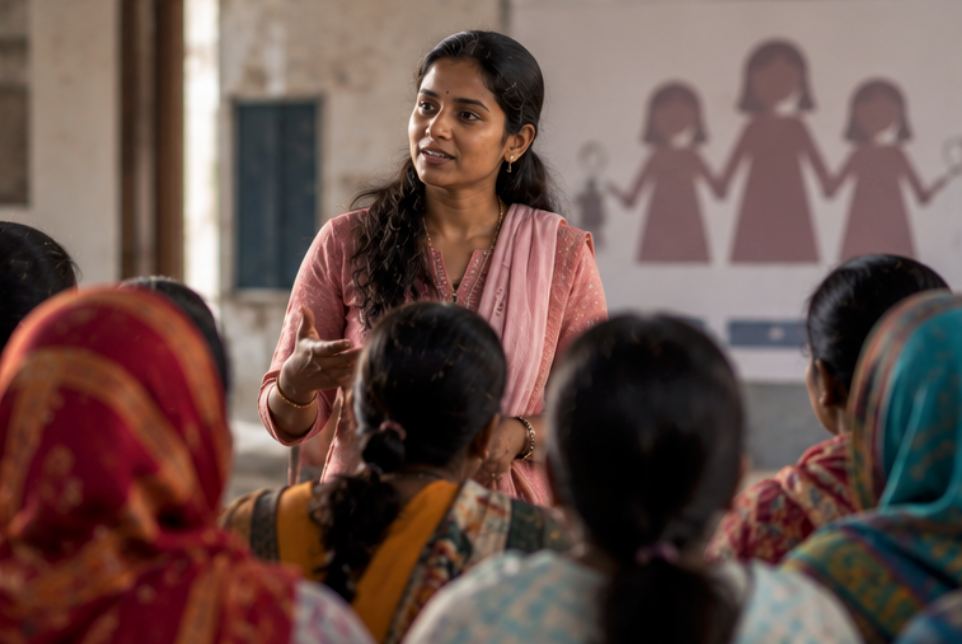


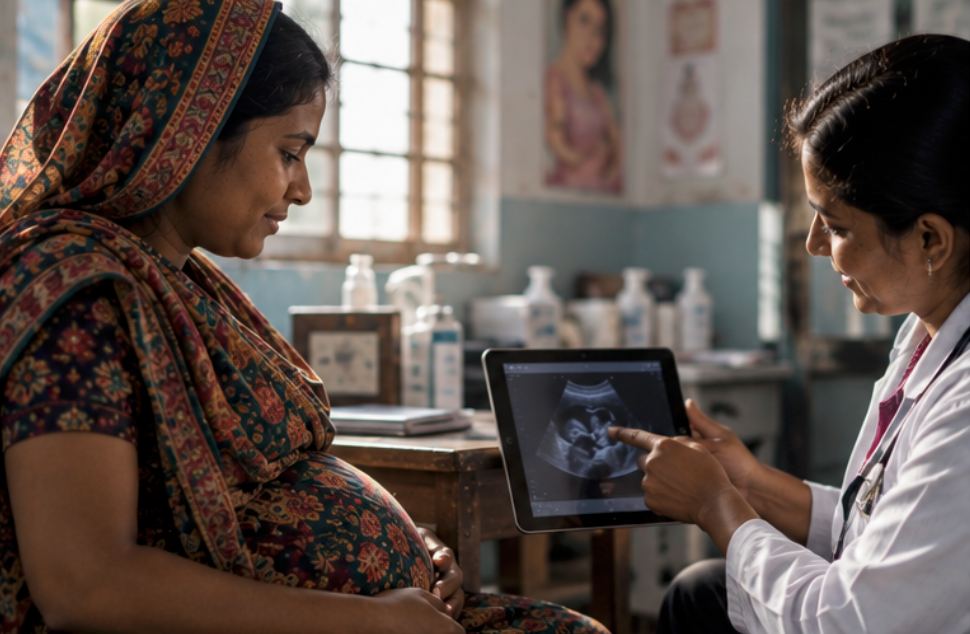

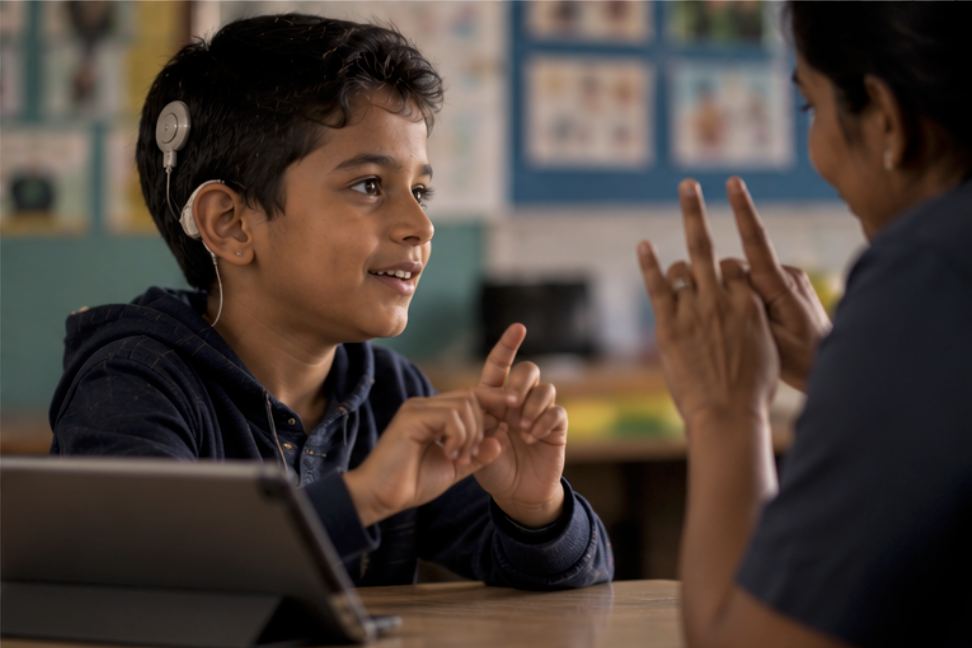
{{ heroPlace }}
{{ heroLine }}
The people are already there. The tools are not.
Follow one record.
A health worker records an antenatal visit where there is no signal. Scroll to watch what happens to it.
{{ s.when }}
{{ s.title }}
{{ s.body }}
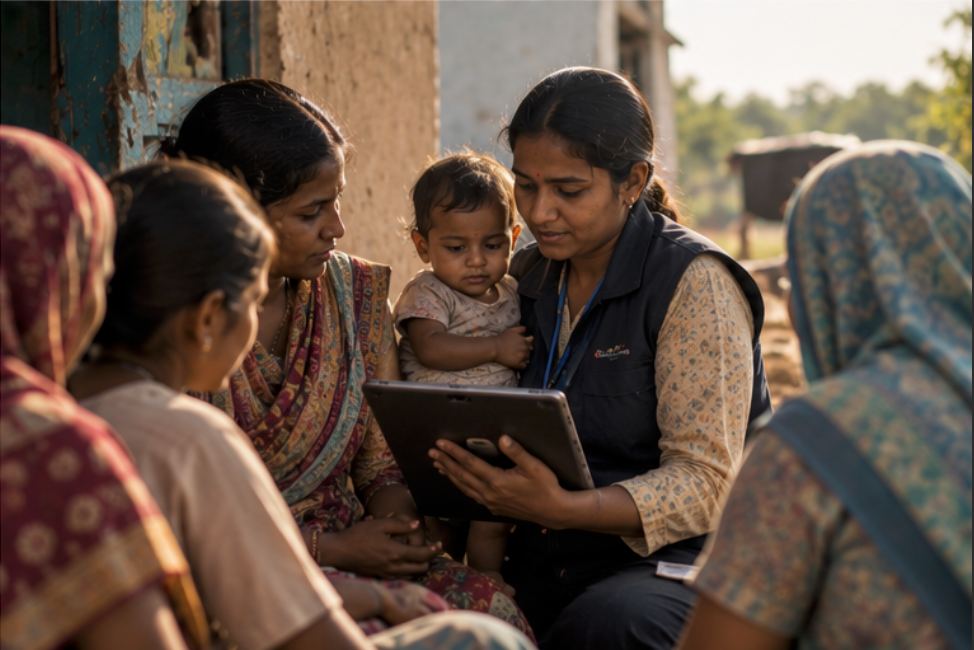
Pick a field team.
Most tools die in their second year.
Not because the idea was wrong. Because nobody was paid to keep them alive. Drag through two years and watch where they part ways.
Month {{ month }}
{{ monthEvent }}
Typical pilot · {{ pilotPct }}% in use
Maintained deployment · {{ anvayaPct }}% in use
Illustrative pattern drawn from common failure modes, not measured data.
The capacity behind Anvaya comes from PanScience Innovations, a deep-tech and AI venture studio.
{{ p.value }}
{{ p.label }}